
electrophoresis
Electrophoresis is a fundamental laboratory technique widely used in molecular biology, biochemistry, and clinical diagnostics to separate macromolecules such as DNA, RNA, and proteins based on their size and charge. Understanding electrophoresis is essential for researchers working in genomics, proteomics, and medical diagnostics.
What is Electrophoresis?
Electrophoresis is a process that uses an electric field to move charged molecules through a medium. Molecules with a net negative charge migrate toward the positive electrode (anode), while positively charged molecules move toward the negative electrode (cathode). The speed of migration depends on:
Molecular size: Smaller molecules move faster through the medium.
Charge: Molecules with higher net charges move more quickly.
Medium properties: The type and concentration of the gel or matrix affect mobility.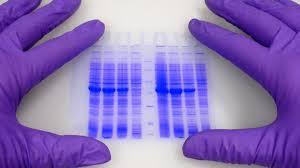
Types of Electrophoresis
-
Agarose Gel Electrophoresis
Commonly used for DNA and RNA separation. Agarose gels form a porous matrix that allows nucleic acids to be separated according to size. DNA fragments are usually visualized using stains such as ethidium bromide or SYBR Safe. -
Polyacrylamide Gel Electrophoresis (PAGE)
PAGE is used primarily for protein separation. By adjusting the acrylamide concentration, researchers can optimize the resolution for proteins of different sizes. SDS-PAGE (Sodium Dodecyl Sulfate-PAGE) is widely used to denature proteins and separate them solely based on molecular weight. -
Capillary Electrophoresis (CE)
A modern technique that separates molecules in a thin capillary using high voltage. CE offers high resolution, rapid analysis, and requires minimal sample volumes, making it useful for DNA sequencing and clinical diagnostics. -
Isoelectric Focusing (IEF)
This technique separates proteins based on their isoelectric points (pI), the pH at which a protein carries no net charge. IEF is often combined with SDS-PAGE in 2D electrophoresis for advanced proteomic studies.
Key Applications of Electrophoresis
DNA Analysis: Electrophoresis is crucial in genetic research, PCR verification, restriction fragment analysis, and forensic DNA profiling.
Protein Studies: Researchers use electrophoresis to analyze protein expression, detect post-translational modifications, and purify proteins for further study.
Clinical Diagnostics: Electrophoresis is used to diagnose hemoglobinopathies, monitor monoclonal gammopathies, and detect pathogens in biological samples.
Molecular Cloning: Verification of recombinant DNA constructs often relies on agarose gel electrophoresis to confirm fragment sizes.
Advantages and Limitations
Advantages:
High-resolution separation of nucleic acids and proteins.
Relatively simple and cost-effective.
Compatible with downstream applications like blotting, sequencing, or mass spectrometry.
Limitations:
Time-consuming for large-scale separations.
Requires careful handling of toxic stains like ethidium bromide.
Limited quantitative analysis without additional imaging techniques.